Plantar Fasciitis & Heel Pain in Belfast
Sharp heel pain with your first steps in the morning is usually plantar fasciitis. HCPC-registered orthotist Jonathan Bull will assess your feet, find out what is overloading your heel, and put together a plan, including custom insoles if you need them. No GP referral needed.
What Is Plantar Fasciitis?
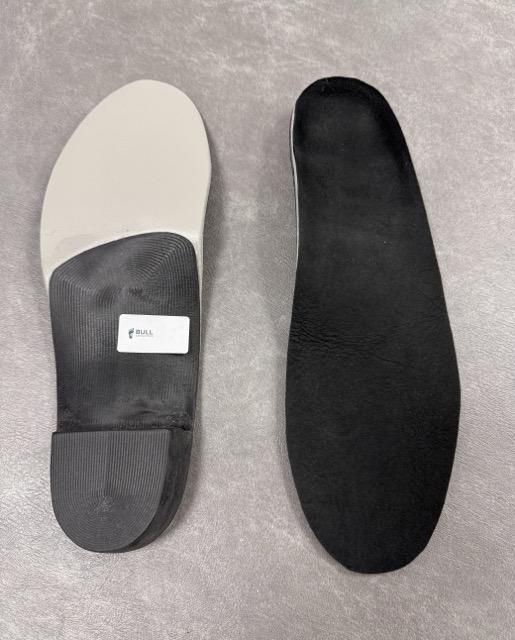
A common cause of heel pain
The plantar fascia is a strong band of tissue under your foot that runs from your heel to your toes and helps hold up your arch. Every step stretches it a little. When it takes more load than it can cope with, the point where it joins the heel bone becomes sore. It is common in people who spend long hours on their feet, runners, and anyone who has recently increased their activity or changed their footwear.
- Pain under the heel, often worst with the first steps of the day
- Pain after sitting, then easing once you get going
- Aching after a long day standing or walking
- Tenderness on the inside of the heel
Why Does My Heel Hurt?
Common reasons
- Long periods standing or walking on hard floors
- A sudden increase in walking, running or sport
- Flat, unsupportive or worn-out shoes
- Tight calf muscles or a stiff ankle
- Flat feet or high arches
- Carrying extra body weight
Why an assessment helps
Heel pain usually has more than one cause. By checking how your feet, ankles and legs move and how you walk, we can see which factors matter most for you, so the plan targets the cause rather than just the pain.
Read more about our clinical gait analysis.
How We Can Help
Assessment
We measure range of movement and strength, carry out a supination resistance test and watch you walk, to understand what is overloading your heel.
Insoles
If you need them, custom insoles made from a 3D scan of your feet to support your arch and reduce strain on the heel.
Footwear and exercises
Practical advice on the shoes you wear every day, and simple stretching and strengthening exercises to do at home.
What Happens at Your Appointment?
1. Your story
We talk about when your pain started, what makes it better or worse, your work, your activity and your footwear.
2. Examination
We check your feet, ankles and calves, including range of movement, muscle strength and foot alignment, and watch you walk.
3. Your plan
We explain what we have found and agree a plan with you, including footwear and exercise advice.
4. Insoles if needed
If custom insoles are the right option, we take a 3D scan of your feet and fit your insoles at a follow-up appointment.
A Word From Jonathan
Heel pain is one of the most common problems I see, and I know how much it can wear you down when every morning starts with that first painful step. The good news is that there is usually a lot we can do. I will take the time to understand your feet and your day, and give you honest advice on what will help, whether that is insoles, a change of shoes or a few simple exercises.
Written by Jonathan Bull, HCPC-registered Clinical Specialist Orthotist. Reviewed November 2026.
Plantar Fasciitis Frequently Asked Questions
What is plantar fasciitis?
Plantar fasciitis is the most common cause of pain under the heel. The plantar fascia is a thick band of tissue that runs from your heel bone to the base of your toes and supports your arch. When it is overloaded, the area where it attaches to the heel becomes painful. It is sometimes called plantar heel pain or plantar fasciopathy.
What are the typical symptoms?
Most people feel a sharp or bruised pain under the heel with their first steps in the morning, or when they stand up after sitting. It often eases a little once you get moving, then builds again after a long day on your feet.
Do insoles help plantar fasciitis?
Insoles can reduce the strain on the plantar fascia and make standing and walking more comfortable, and they work best as part of a wider plan that includes the right footwear and exercises. Not everyone needs custom insoles. After your assessment we will tell you honestly whether custom insoles, a simpler stock insole or footwear changes are the best place to start.
Do I need a GP referral?
No. You can book directly online or call 07727061400. We also see patients referred by GPs, physiotherapists and podiatrists.
How much does it cost?
Your initial assessment costs £50. If custom insoles are right for you, they cost £270-£290, and we will explain the options and the cost before anything is ordered.
Is a heel spur the same thing?
Not quite. A heel spur is a small growth of bone that can show on an X-ray. Many people with heel spurs have no pain, and many people with plantar fasciitis have no spur, so a spur on its own does not change how we manage your heel pain.
When should I see my GP instead?
See your GP if your heel pain followed an injury, if your heel is red, hot or swollen, if you have numbness or tingling in your foot, or if you feel generally unwell. These are not typical of plantar fasciitis and need checking.
Take the First Step Towards Pain-Free Movement
Book your heel pain assessment at our East Belfast clinic on Holywood Road, with free parking and no GP referral needed.
Call: 07727061400
Email: info@bullorthotics.com